Relevant Context:
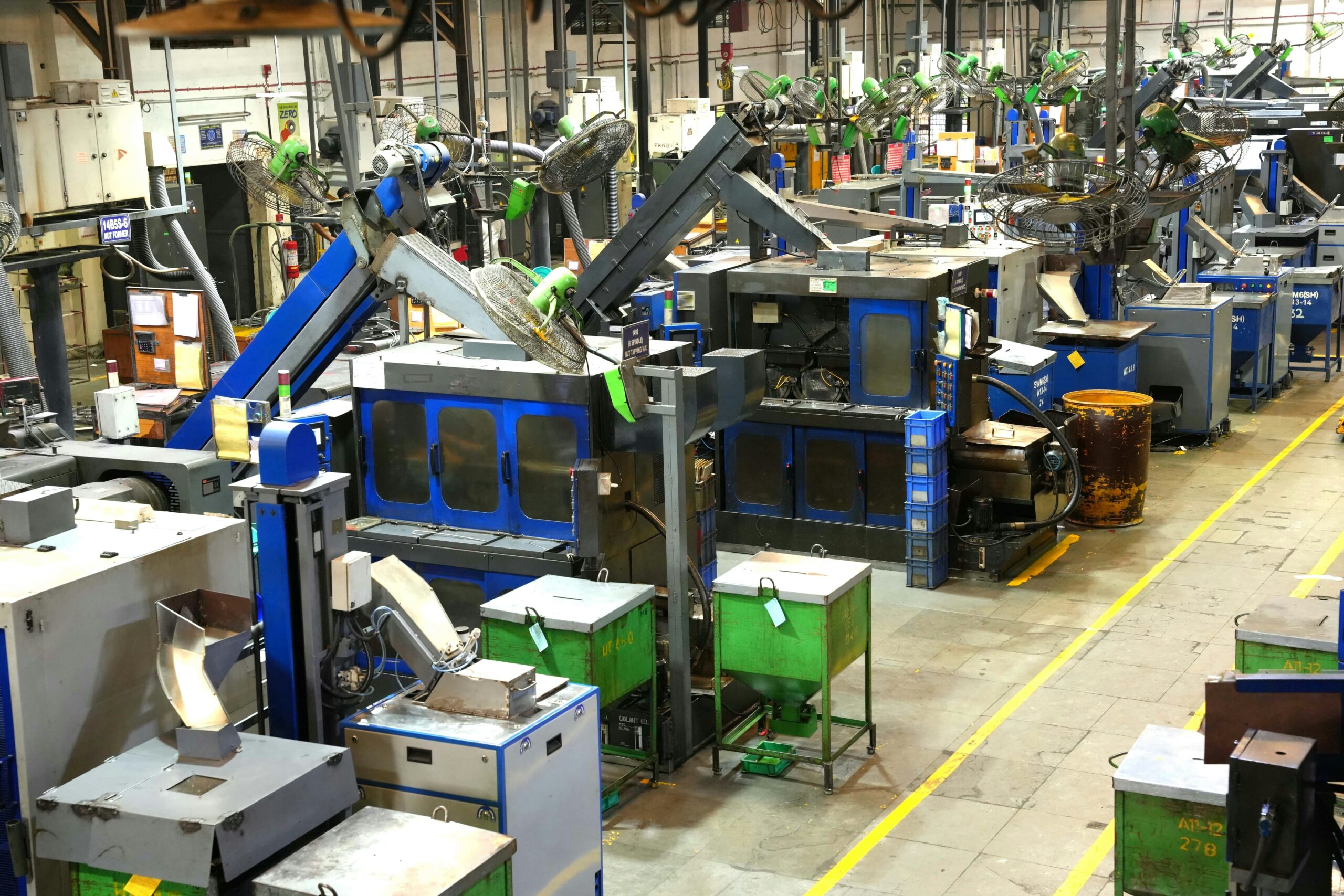
Pan masala and similar products are high-risk for both public health and tax evasion. They are often produced using small machines that are easy to hide, under-report, or run at higher speeds than declared. This leads to two major problems. First, severe health costs from widespread consumption of harmful products. Second, large revenue losses for the government, due under-declared production. To fix this, the government is shifting to a machine-based cess system where tax is linked to the number and capacity of machines rather than the quantity manufacturers claim to produce. This reduces under-reporting and ensures steady government revenue while making it more costly to produce harmful products.
Provisions of the Bill:
- New Cess on Pan Masala (and other related goods): A monthly cess will be levied on anyone who owns or operates machines, or undertakes manual production, of specified goods (initially, this only applies to pan masala). Manufacturers must self-assess the cess and file a monthly return.
- Calculation of the Cess: The central government may raise the cess up to twice the specified amount for a limited period if required in public interest. There are two types of production:
- Machine-Based Production: The cess depends on the maximum rated speed of each packing machine and the weight per pouch. Higher-speed machines attract higher cess. Up to 500 pouches/min and up to 2.5g equates to ₹1.01 crore per machine per month. 1,001–1,500 pouches/min and above 10g would be ₹25.47 crore per machine per month.
- Manual Production: Wholly manual units pay a flat ₹11 lakh per factory per month.
- Audits and Enforcement: Senior officers may conduct audits to verify whether the correct cess has been paid. If discrepancies are found, the government may recover unpaid cess, interest, and penalties. Officers are also empowered to inspect factories, search premises, and seize goods, machines, documents, or records where evasion is suspected.
- Offences and Penalties: Key violations include operating undeclared machines, failing to obtain registration or not paying cess on time. Penalty: ₹10,000 or the cess evaded, whichever is higher. Aiding or abetting: up to ₹1 lakh. Serious offences involving fraud or cess evasion above ₹1 crore may lead to criminal prosecution with 1–5 years of imprisonment.
- Appeal Process: Currently, it is a three-tier mechanism. Orders of authorised officers can be appealed. 1st: Appellate Authority (Commissioner level), 2nd: The CESTAT and 3rd: The High Court on substantial questions of law.
Policy Implications:
- Public Health Protection: Pan masala and similar products carry huge long-term health costs. A high, machine based cess makes them less affordable and less profitable for manufacturers, reducing mass production and availability.
For you: Harmful products are less likely to be cheaply produced or widely accessible. - Stable Revenue for Health and National Security: Because the cess is based on installed machine capacity rather than self-declared output, it generates predictable monthly revenue. This helps fund public health and national security without relying on higher taxes on essential goods.
For you: Governments can maintain key services without increasing everyday taxes. - Closes Evasion Loopholes: Machine-based taxation reduces manipulation of production figures, addressing one of the biggest evasion risks in the pan masala sector.
For you: A fairer tax system where dishonest manufacturers cannot undercut compliant ones. - Stronger Deterrence and Compliance: High penalties and the possibility of criminal prosecution for large-scale fraud create strong incentives for manufacturers to follow the law.
For you: More reliable enforcement and fewer illegal or unsafe products in the market. - Clearer Dispute Resolution: A structured three-level appeal system ensures that disputes move in an orderly way from the Appellate Authority to the Tribunal and then the High Court.
For you: More predictable and transparent rights if you ever need to challenge an order.